
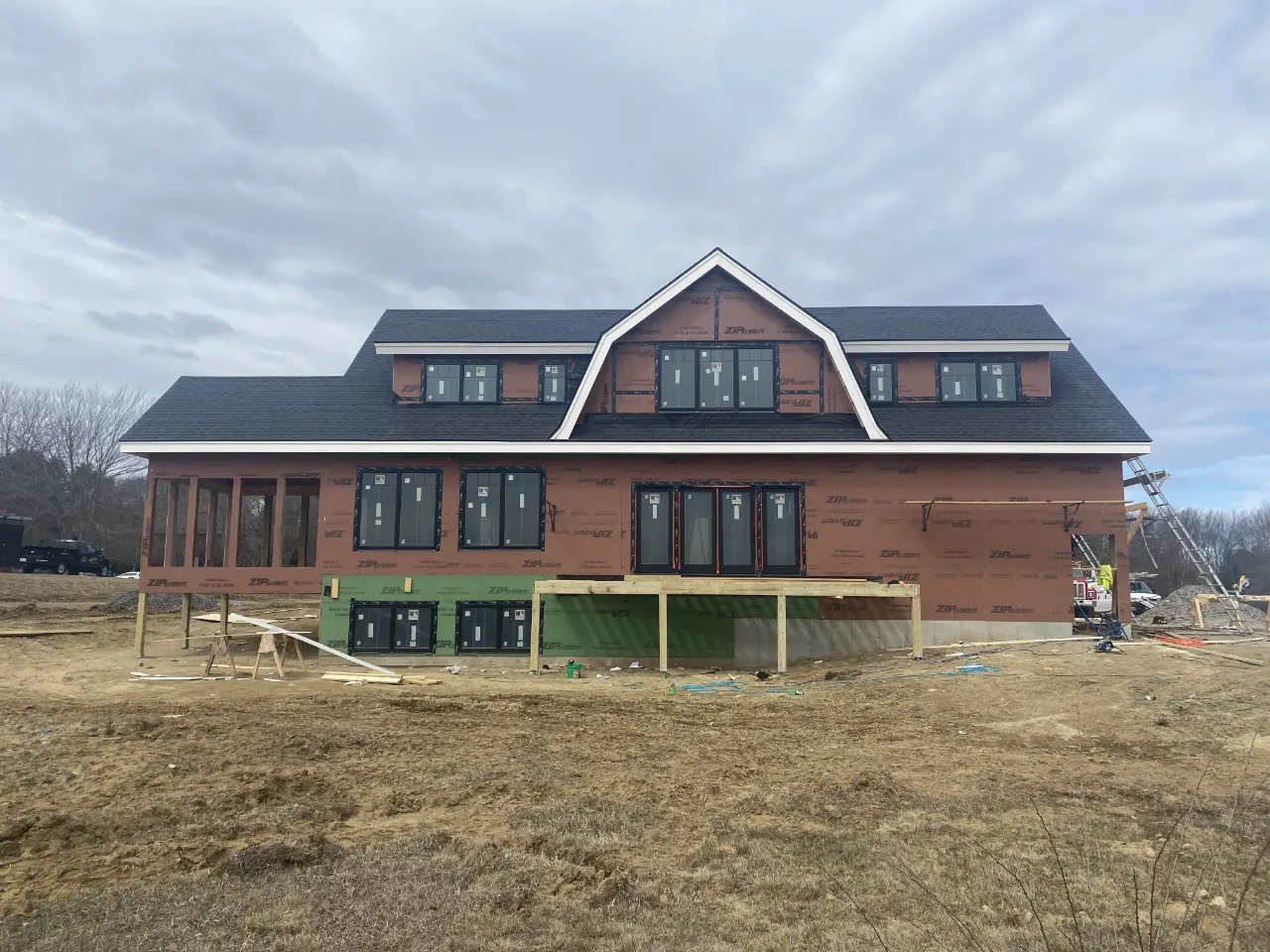
Most homeowners never think about the framing inside their walls. It’s hidden behind drywall, siding and shingles. But when something goes wrong with it, the signs show up all over the house. Floors start to dip, doors stop closing and cracks appear above windows. Framing problems in Massachusetts homes are common, especially in older houses. Heavy snow loads, freeze-thaw cycles and decades of moisture all take a toll on wood. Many colonials and capes still have original sills and joists that were never built with today’s renovations in mind. Newer homes aren’t immune either. Rushed framing, undersized headers and leaks can cause trouble within a few years. The good news is that framing problems rarely appear overnight. They leave clues, and catching them early keeps repairs smaller and less expensive. In this guide, we’ll walk through the most common warning signs and what usually causes them. We’ll also cover when it’s time to call a carpenter. Spot more than one of these signs? Have the structure checked before the next big storm or remodel.
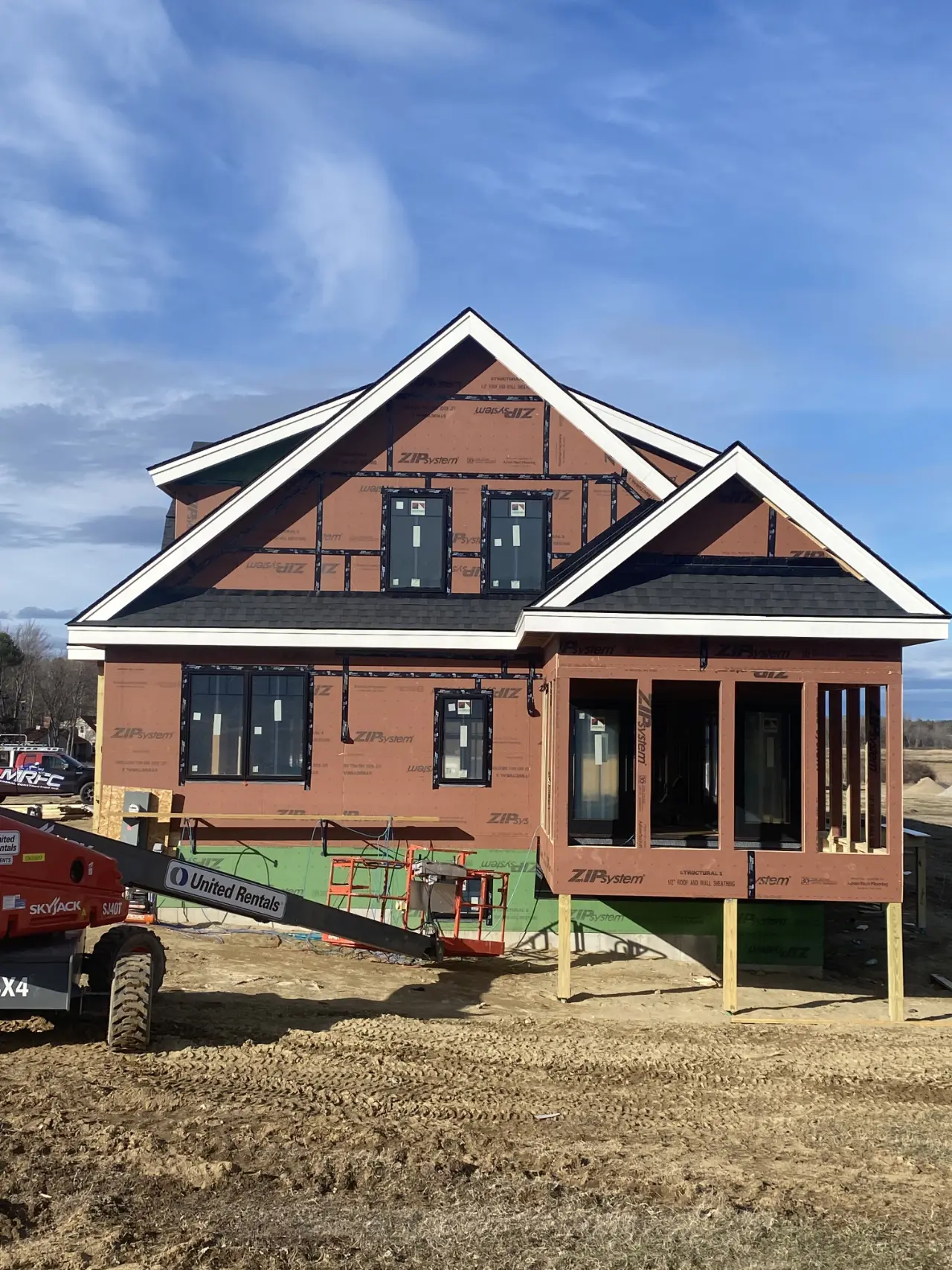
Sagging, Bouncy or Sloping Floors
A floor that dips, bounces or slopes is one of the clearest signs of a framing problem. Most of the time, the cause sits right under your feet in the floor joists. Joists can crack, rot or simply be too small to carry the load above them. Older Massachusetts homes often have joists that were notched or cut during past plumbing and electrical work. Each cut weakens the joist a little more. You might notice furniture leaning, a marble rolling away or a soft spot near a bathroom. Basements and crawl spaces with moisture problems make things worse, since damp wood loses strength over time. A carpenter can usually fix sagging floors by sistering new joists, adding a beam or replacing damaged sections. Catching it early keeps the repair from spreading into finished floors and ceilings.
Cracks Above Doors and Windows
Diagonal cracks running from the corners of doors and windows often point to a header problem. A header is the beam that carries the weight above an opening. If it’s undersized, damaged or missing, the wall above it slowly settles. That movement cracks drywall and plaster in a very recognizable pattern. Small hairline cracks can come from normal seasonal movement, especially during Massachusetts winters. Wide cracks, cracks that keep coming back or cracks paired with sticking doors deserve a closer look. Past renovations are a common cause. Someone may have widened an opening or removed a wall without adding a proper header. Fixing it means opening the wall, installing a correctly sized header and supporting the load while the work is done. It’s a job that needs a carpenter, not a patch of joint compound.
Doors and Windows That Stick or Swing Open
Sometimes a door suddenly rubs the frame, swings open on its own or refuses to latch. When that happens, the frame around it may be shifting. Out-of-square framing pulls door jambs off plumb. Windows can bind in the same way, making them hard to open or close. Humidity can cause some seasonal sticking, so one tight door in August isn’t a reason to panic. The concern is when several doors or windows on the same wall or floor start acting up together. That pattern usually means the floor below or the wall itself is moving. In many Massachusetts homes, the cause traces back to settling sills, weak joists or water damage in the wall. Planing the door only treats the symptom. A carpenter can check the framing, find the real cause and correct it before trim and drywall start cracking.
Rotted Sills, Studs and Roof Rafters
Water is the biggest enemy of wood framing. Failed siding, missing flashing and roof leaks let moisture reach sill plates, studs and rafters. Over time, that wood softens and rots. Warning signs include soft spots in walls, stained ceilings and musty smells. A roofline that dips between rafters after heavy snow is another clue. In Massachusetts, sill rot is especially common where the house meets the foundation. Snow piles against the walls every winter and keeps that area damp. Rotted framing usually needs to be cut out and replaced, not covered up. That’s why it makes sense to check the framing whenever siding or roofing is being replaced. At Ortiz Carpentry, we inspect the structure before new siding or shingles go on. Fixing the frame first protects everything that goes on top of it.
Frequently Asked Questions
How do I know if my house has framing problems?
Common signs include sagging floors, diagonal cracks above doors and windows, sticking doors and soft spots in walls. If you notice more than one, it’s a good idea to have a carpenter inspect the framing.
Are small drywall cracks a sign of a framing problem?
Not always. Hairline cracks can come from normal seasonal movement in Massachusetts homes. Wide cracks, cracks that return after repair or cracks near sticking doors are worth a closer look.
Can sagging floors be fixed without tearing everything out?
Often, yes. Many sagging floors can be fixed from the basement by sistering joists or adding a beam. The approach depends on what’s causing the sag and how much damage there is.
Does framing repair need a permit in Massachusetts?
Structural framing repair usually needs a building permit from your local building department. Your contractor should explain what your project requires before work starts.
Should framing be checked before new siding or roofing?
Yes. Replacing siding or roofing is the best time to check sheathing, studs and rafters. Fixing framing problems first keeps the new exterior flat, sealed and long-lasting.
Get Your Framing Repair Estimate in Massachusetts
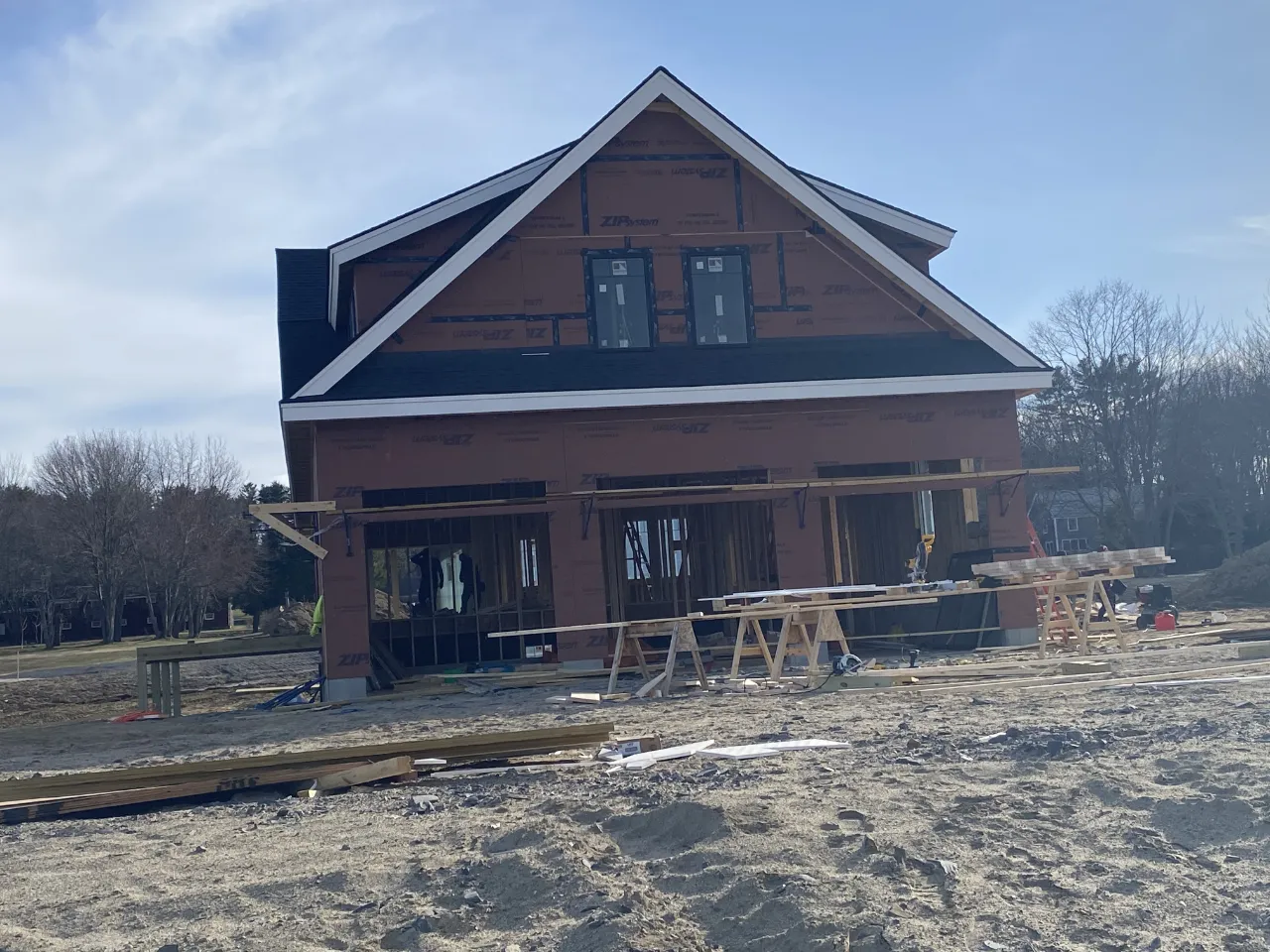
Noticed sagging floors, cracks or sticking doors? Tell us what you’re seeing, and we’ll set up a visit and give you a free framing estimate. Call (603) 707-8785 to get started.