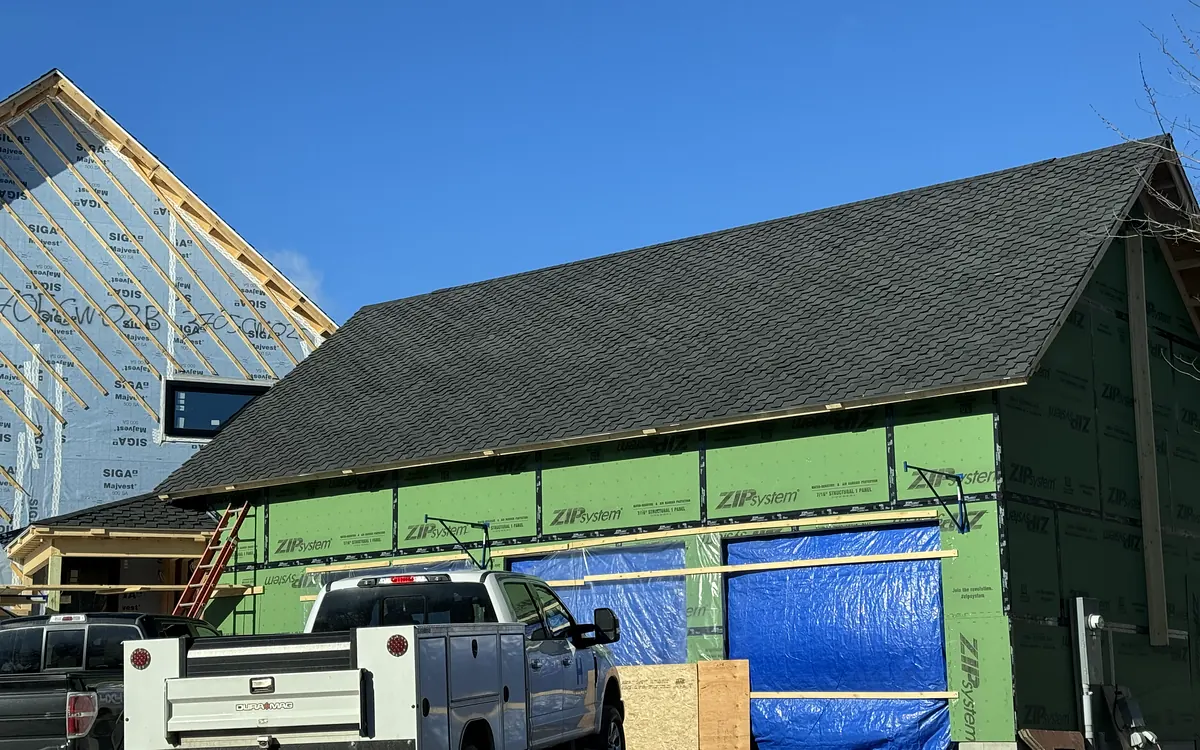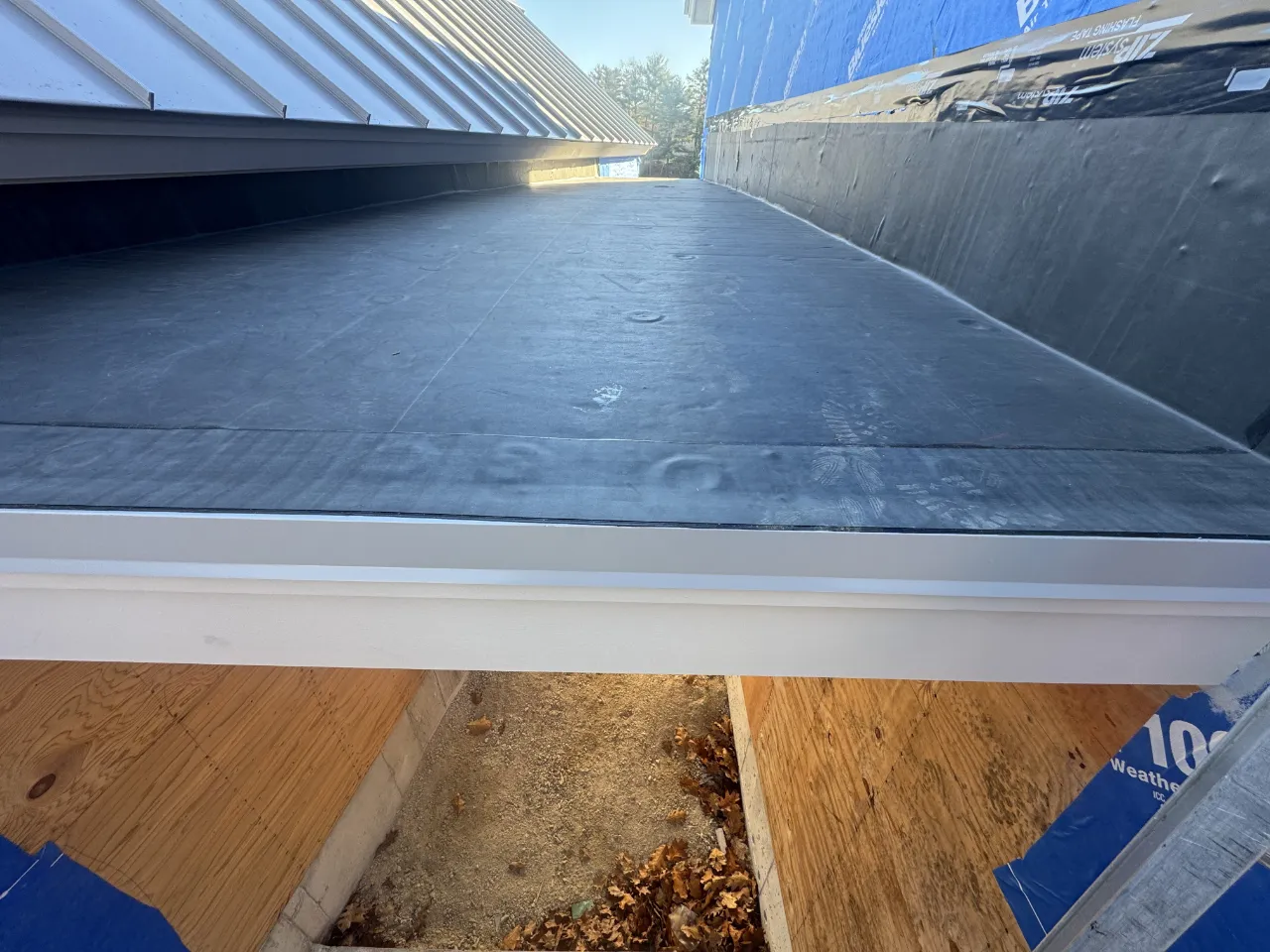
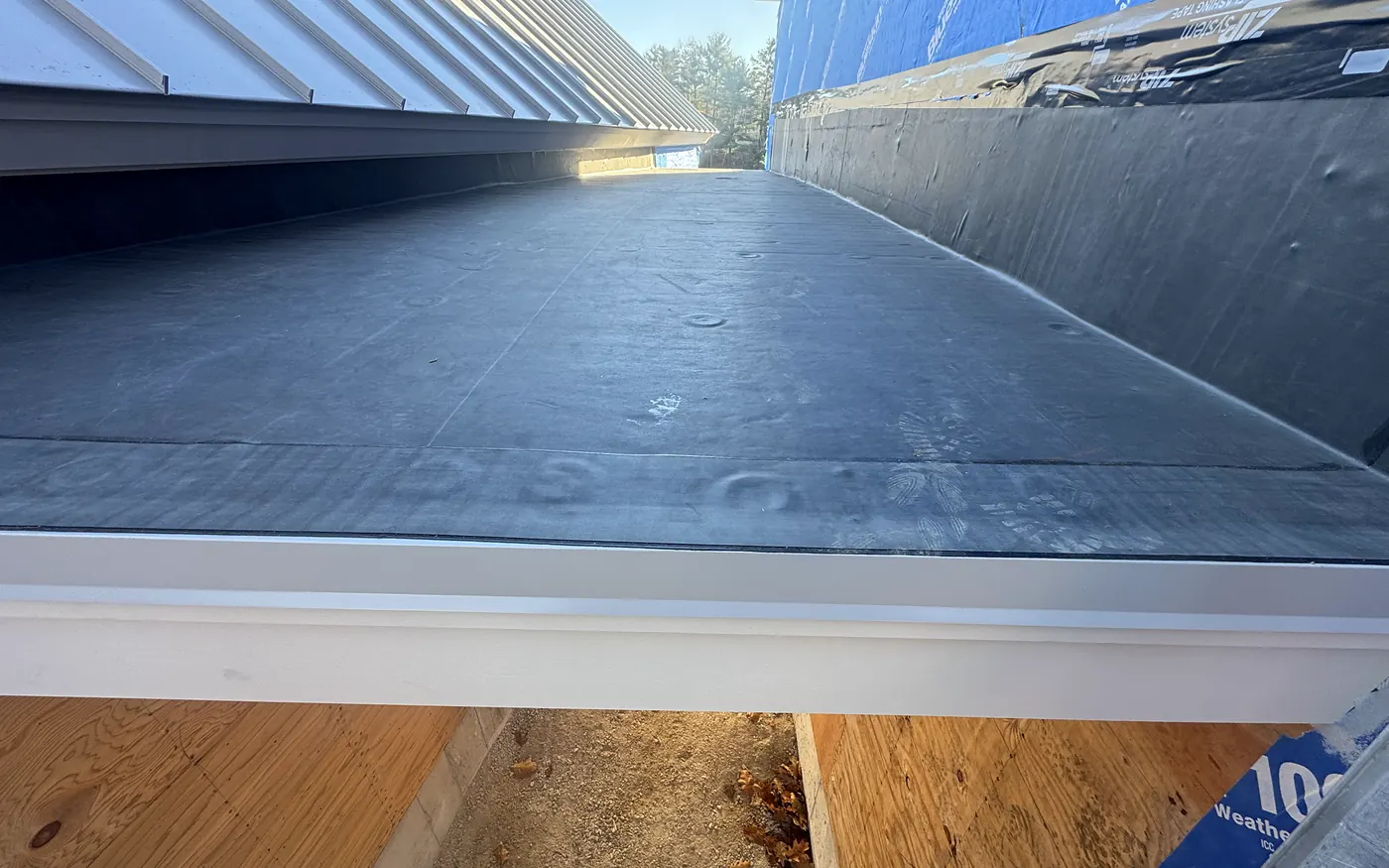
Massachusetts winters are hard on a roof. Heavy snow adds weight, ice dams push water under shingles and freeze-thaw cycles turn small gaps into bigger ones. A roof that seemed fine in August can start leaking by February. That’s why fall is the best time to prepare your roof before winter in Massachusetts. The weather is still mild enough to make repairs, and you have time to spot problems before snow covers them. A little attention now can prevent water damage in your attic, ceilings and walls later. You don’t need to climb onto the roof to get started. Many warning signs can be spotted from the ground, the gutters or the attic. In this guide, we’ll walk through what to check and how to reduce the risk of ice dams. We’ll also cover when to call a roofer. With a bit of planning, your roof can handle whatever this winter brings. Let’s start with a simple inspection you can do yourself.
Inspect Your Roof From the Ground and the Attic
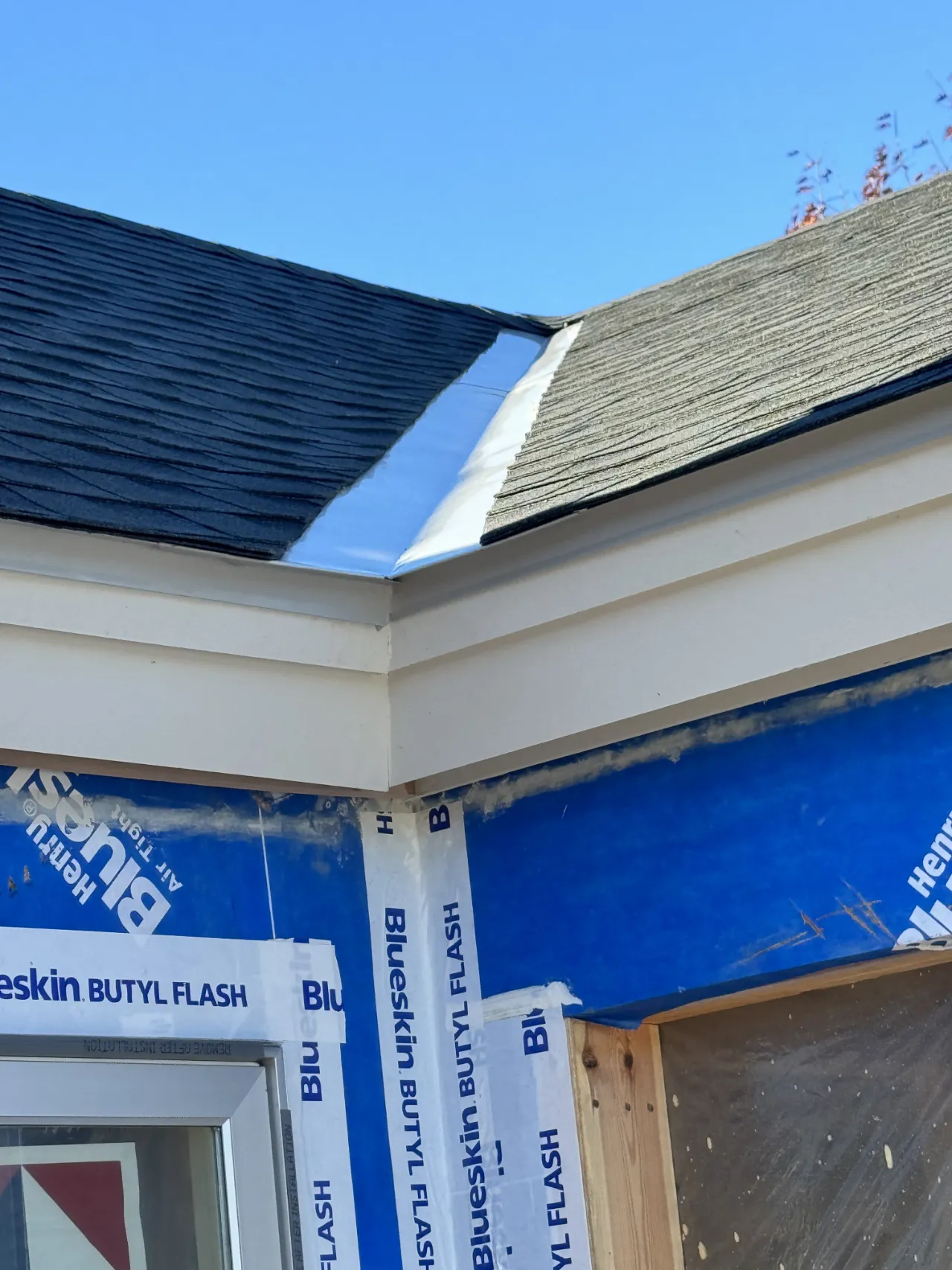
Start with a simple visual check. From the ground, check the roof with care. Missing, cracked or curling shingles are the first warning signs. Then check around chimneys, vents and skylights to spot loose or damaged flashing. Look at the roofline too. A dip or sag can point to problems with the decking or rafters. Next, head into the attic on a sunny day. Daylight coming through the boards, water stains, damp insulation or a musty smell all mean water is getting in. Take photos of anything that looks off. It makes it easier to explain the problem to a roofer. If you spot damage, schedule repairs before the first heavy snow. Fixing a small problem in October is much easier than chasing a leak in January.
Clean Gutters and Check Drainage
Clogged gutters are one of the most common causes of winter roof problems. When leaves and debris block them, water backs up along the roof edge. Once temperatures drop, that water freezes and can work its way under the shingles. Clean your gutters after most of the leaves have fallen. Make sure downspouts are clear and carry water away from the foundation. While you’re at it, notice whether shingle granules are collecting in the gutters. A heavy amount of granules can be a sign that the shingles are wearing out. Also check that gutters are securely attached. Heavy snow and ice can pull loose gutters right off the fascia, damaging the roof edge along the way.
Reduce the Risk of Ice Dams
Ice dams are a familiar problem in Massachusetts. They form when heat from the house melts snow on the upper roof. That water runs down and refreezes at the colder eaves, building a ridge of ice. Water then pools behind the ice and can leak under the shingles. The root causes are usually heat loss into the attic and poor ventilation. Good attic insulation and balanced ventilation keep the roof deck colder and more even. During a roof replacement, ice and water barrier along the eaves adds another layer of protection. If you’ve had ice dams before, mention it during your estimate. A roofer can check your ventilation and edge details and suggest changes before winter arrives.
Plan Repairs or Replacement Before the Snow
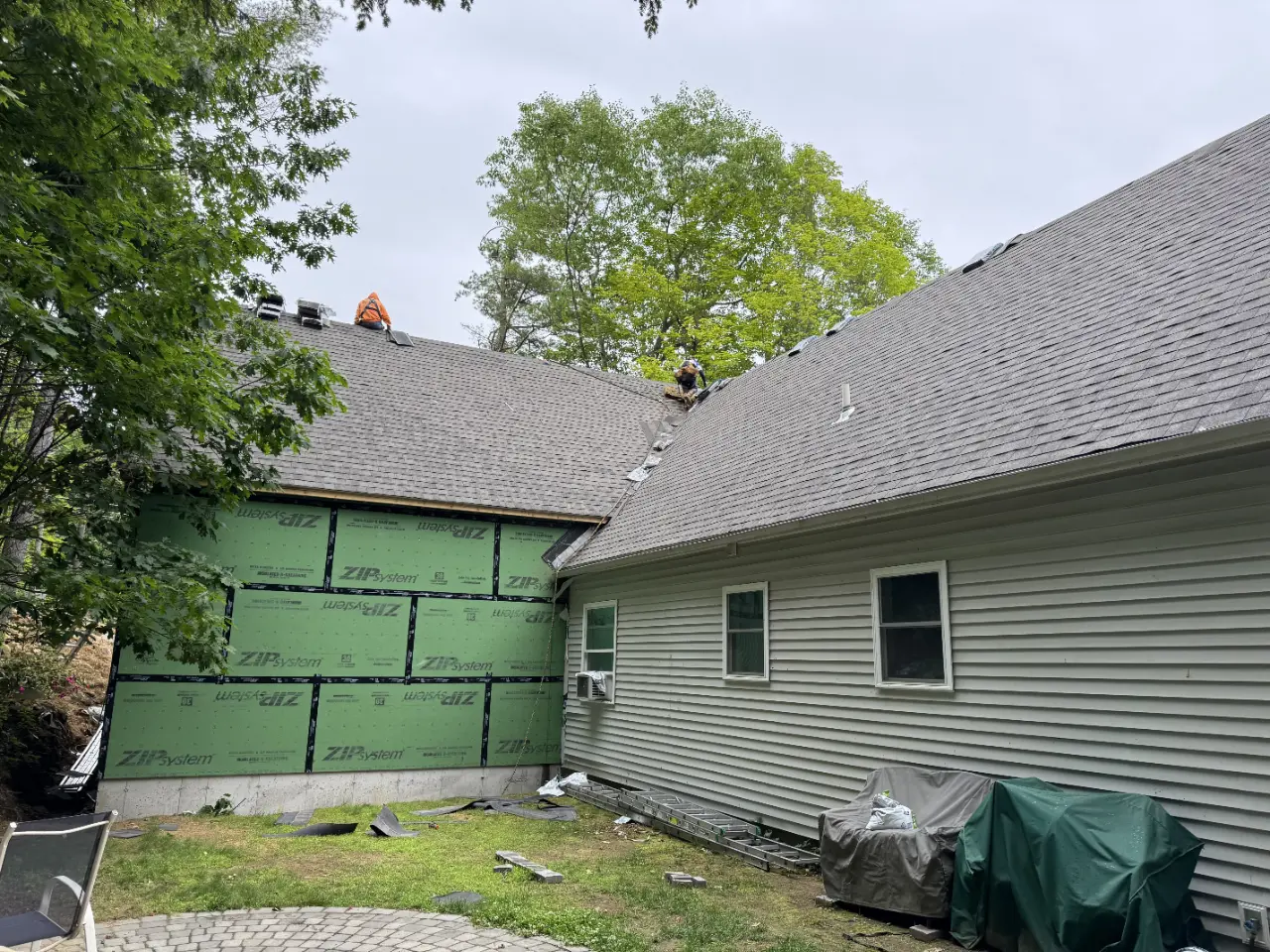
If your roof is older or showing several warning signs, fall is the time to decide between repair and replacement. Shingles seal best in mild weather, and roofers can work more efficiently before snow and ice arrive. Waiting until mid-winter often means working around storms and cold days. It can also mean living with a leak longer than you’d like. Start by getting a professional inspection. A good roofer will check the shingles, flashing, ventilation and decking, then explain your options. At Ortiz Carpentry, we’re carpenters first, so we also check the rafters and decking that hold your roof up. Planning ahead gives you time to compare options and get the work done on your schedule.
Frequently Asked Questions
When should I get my roof inspected before winter?
Early to mid fall is ideal in Massachusetts. The weather is still mild, and there’s time to schedule repairs before the first heavy snow.
What causes ice dams on Massachusetts roofs?
Ice dams form when attic heat melts snow on the upper roof and the water refreezes at the eaves. Poor ventilation and insulation are the usual causes.
Can a roof be repaired in winter?
Many repairs can be done on dry winter days. Larger projects are easier before the snow, when shingles seal better and the weather is more predictable.
Should I remove snow from my roof?
Heavy buildup can add a lot of weight. If you remove snow, use a roof rake from the ground and never climb onto an icy roof.
How do I know if my roof will make it through another winter?
Check the roof with care: missing or curling shingles, attic leaks, damaged flashing and sagging are all warning signs. A professional roof inspection gives you the clearest answer before winter starts.
Get Your Roof Ready This Winter in Massachusetts
Want peace of mind before the snow flies? We’ll inspect your roof, explain what it needs and give you a free estimate this fall. Call (603) 707-8785 to get started.